Pit Lane
CULTURE
Madrid’s First Grand PrixWas About More Than Racing
September 15, 2026 | 3:00 PM
Madrid has officially entered its Formula 1 era.
This weekend, the Spanish capital hosted its first Grand Prix at the brand-new Madring, bringing Formula 1 back to Madrid for the first time in more than four decades. And while the race was obviously the main event, the bigger story was what happened when F1 met Madrid itself.
Because Madrid does not really do understated.
The Madring sits around the IFEMA exhibition centre in the northeast of the city, combining permanent track with public roads. At 5.414 kilometres and 22 corners, it is unlike the traditional image of a Spanish circuit — and its most talked-about feature might be Turn 12, La Monumental, a heavily banked section designed to feel almost like an arena.
The setting felt particularly appropriate for a city that already knows how to turn sport into spectacle.
Madrid’s football culture was impossible to miss. The circuit runs close to Real Madrid’s Valdebebas training complex, while Atlético Madrid’s Metropolitano stadium is only minutes away. Atlético even entered into a five-year partnership around the event, including a MADRING x ATLETI RACING clothing collection.
Suddenly, this wasn’t simply Formula 1 coming to Madrid.
It was Madrid making Formula 1 its own.
And then there was the actual racing.
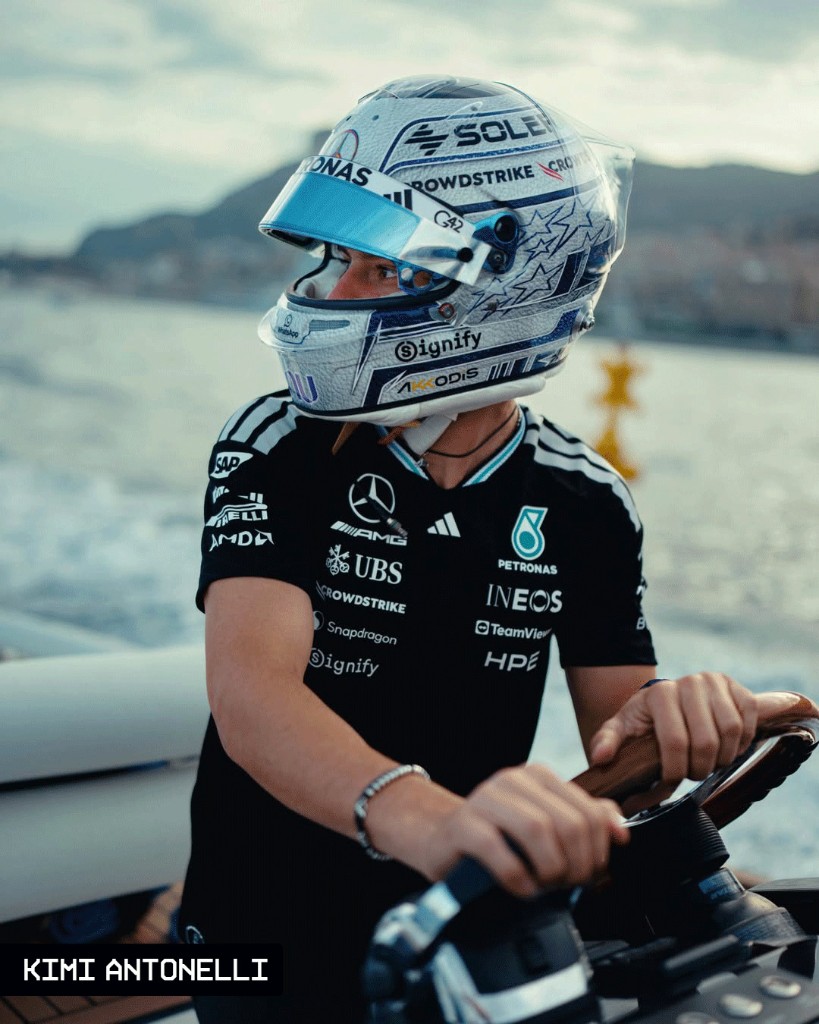
Lando Norris took pole for the inaugural Spanish Grand Prix, narrowly beating Mercedes’ Kimi Antonelli by just 0.011 seconds.
But when the lights went out, it was Antonelli who made history.
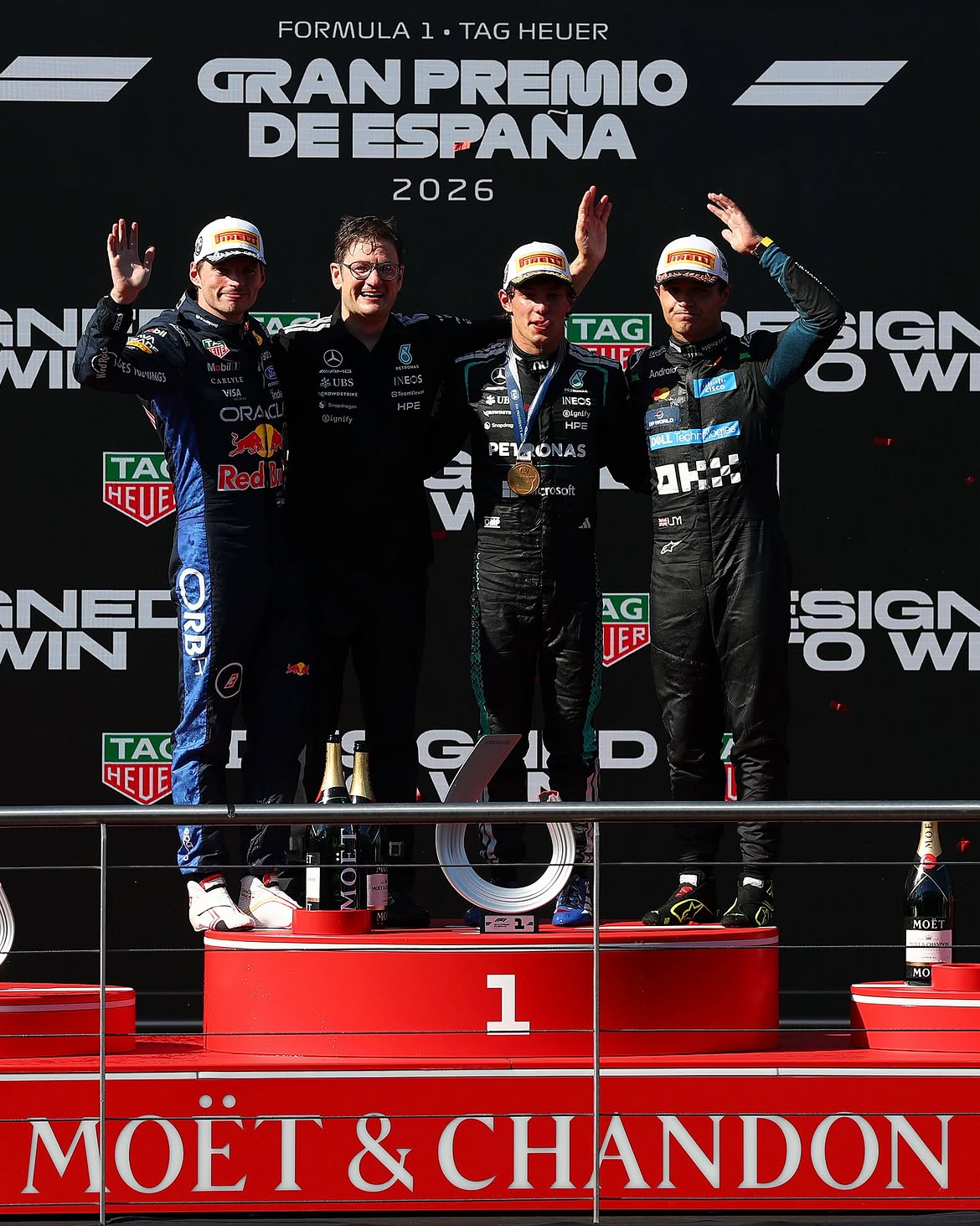
The 20-year-old Mercedes driver won the first Grand Prix at the Madring, finishing ahead of Max Verstappen and Norris. It was Antonelli’s eighth victory of the 2026 season and another major step in what has become his breakout championship year.
There was something satisfying about the fact that the first winner at a completely new circuit was also one of the sport’s newest stars.
The weekend had plenty of firsts. The track had never hosted an F1 race. Every driver had to learn it from scratch. Even the circuit’s character was still being figured out in real time.
And that uncertainty was part of the appeal.
Madrid wasn’t trying to recreate Barcelona’s version of the Spanish Grand Prix. It was building something new: faster, more urban, more plugged into the city around it.
Of course, the first edition wasn’t perfect.
Norris later criticised sections of the circuit, particularly Turns 18 and 19, while the race itself produced relatively few overtaking opportunities. His victory hopes were also undone by a controversial Virtual Safety Car period that allowed rivals to pit at an advantageous moment.
But perhaps that is what makes a first Grand Prix interesting.
The Madring doesn’t have decades of history yet. It doesn’t have legendary corners everyone grew up watching. It doesn’t have a library of iconic races to compare itself with.
It has one.
And now Madrid has its first.
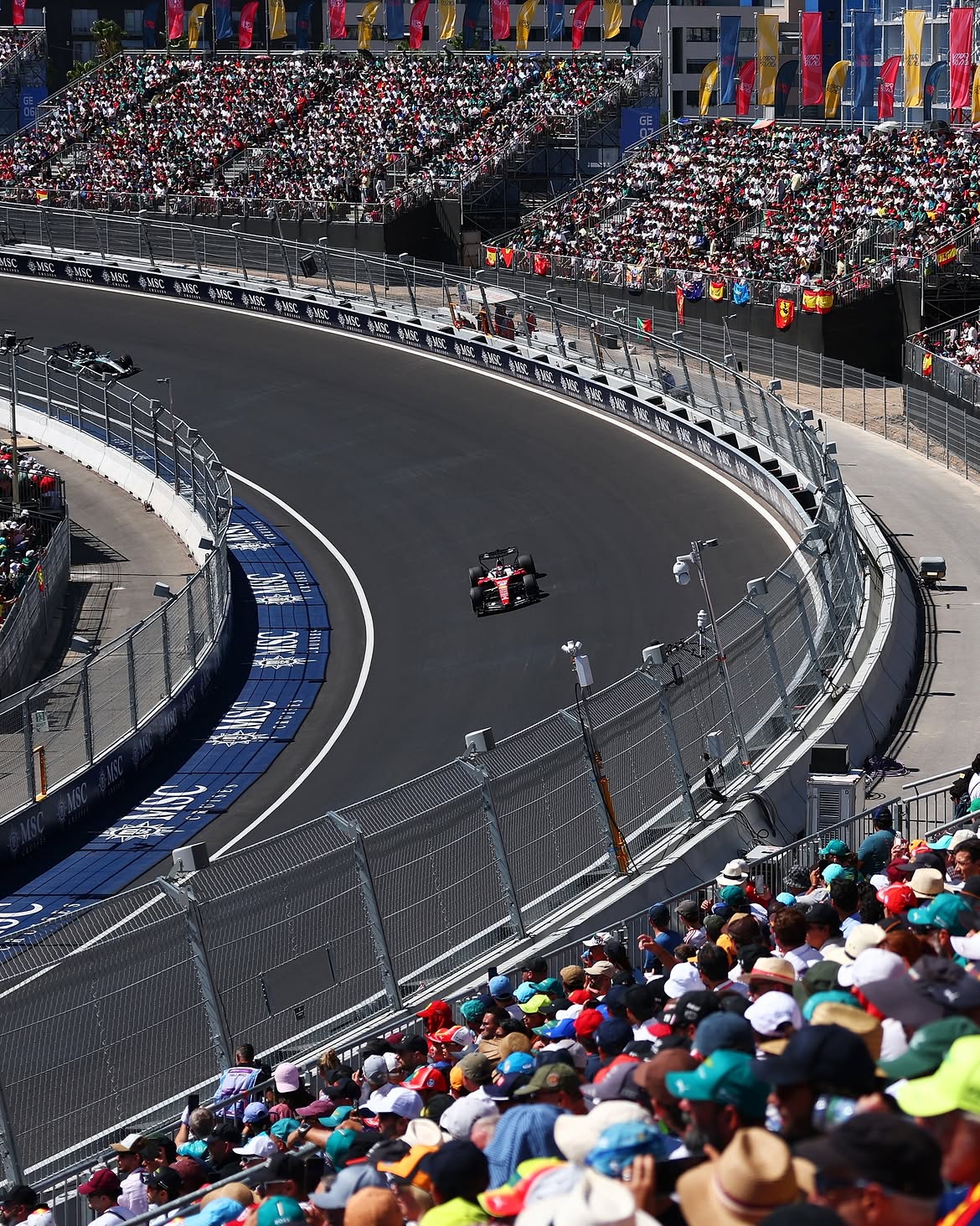
The most interesting part may be what happens next.
Because the first Madrid Grand Prix didn’t just introduce a new circuit to Formula 1. It introduced Formula 1 to a city that already has its own language — football, nightlife, fashion, art, food, architecture and an instinct for spectacle.
The Madring is new.
Madrid isn’t.
And that might be exactly what makes this race worth watching for years to come.