OPINION | 3 MIN READ
Is It Difficult to Believe in Religion — or in Its Followers?
March 3, 2026 | 9:26 PM
Is it difficult to believe in religion?
Perhaps not. What is difficult is believing in the way people practise it.
You see the angriest individuals suddenly turn to religion. You watch them use it as a refuge – not in humility, but in defence. Faith becomes a fallback rather than a foundation. And so the question shifts: how do you believe sincerely when belief is modelled to you as contradiction?
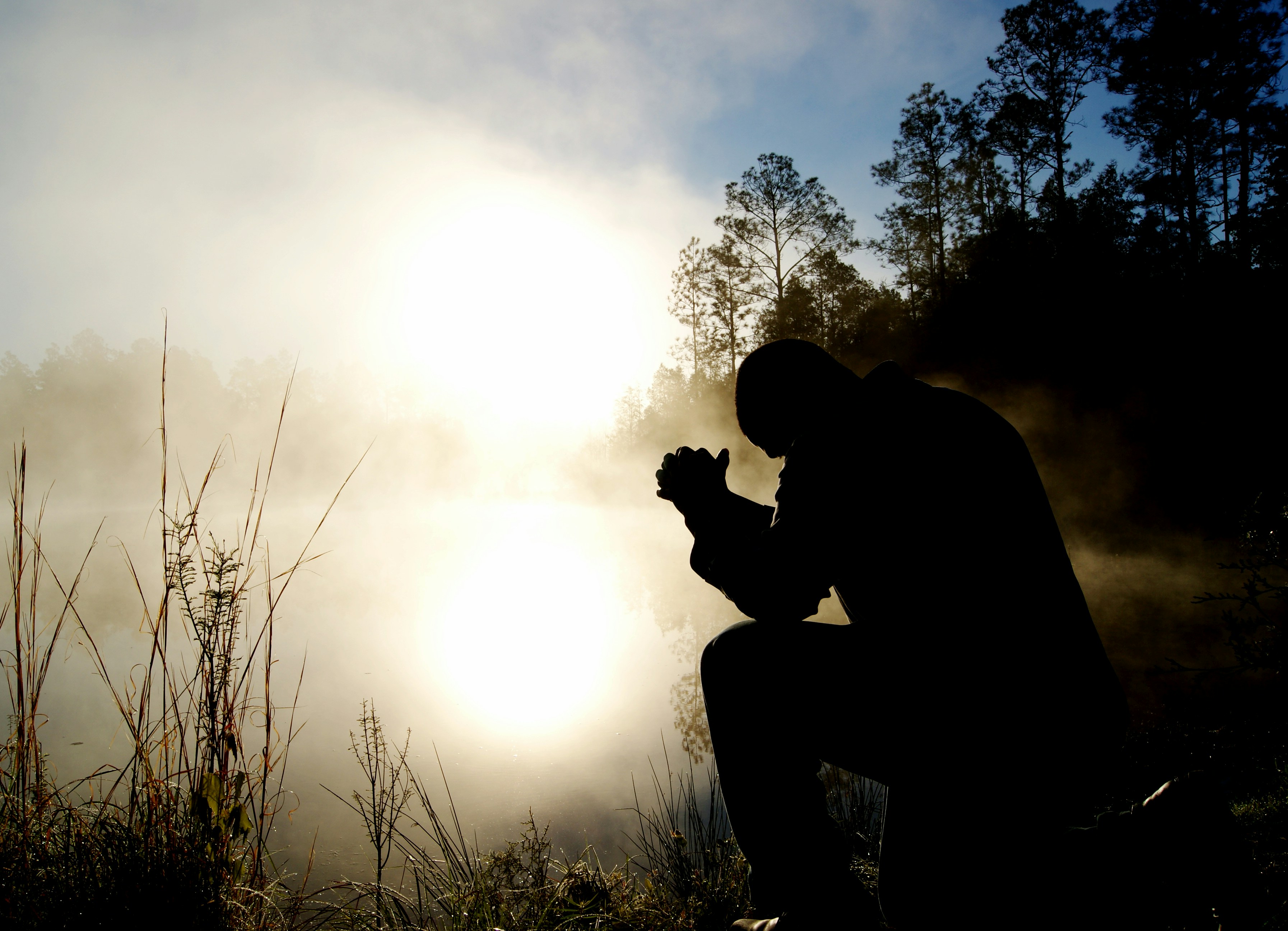
They wake up irritated. They speak to their loved ones with sharpness, diminish their staff at work, move through the day carrying resentment like armour. Their tone is impatient. Their presence heavy. And then, at night, they light a candle. They bow their heads. They say a prayer – believing the ritual can erase the residue of the day.
As though kindness can be postponed.
As though a whispered devotion cancels a lived cruelty.
The cycle repeats itself with quiet confidence. Tomorrow will be better, they tell themselves. Tomorrow I will try again. But tomorrow arrives with the same temper, the same unexamined ego, the same reliance on forgiveness as a revolving door.
What makes belief difficult is no doubt. It is hypocrisy.
Religion, at its core, speaks of discipline – not the discipline of performance, but of character. Yet when faith is reduced to gesture, it loses its depth. A candle does not undo harm. A prayer does not neutralise consistent unkindness. Actions accumulate. Consequences do not always appear instantly, but they arrive – quietly, unexpectedly, often when one feels most secure.
Spirituality is not transactional.
And perhaps this is where many lose trust – not in a higher source, but in the people claiming closeness to this greater power.
Religion should not be forced upon a child as obligation. It can be introduced, explained, lived gently – but never imposed as fear. Belief that is pushed becomes rebellion. Belief that is explored becomes understanding.
Faith matures the way character does: through reflection. Through questioning. Through observing the universe and recognising one’s place within it. It intersects with values, with karma, with accountability. It requires the uncomfortable work of self-examination.
Your environment shapes you long before you realise it. The tone of your household. The way elders speak. The objects you are surrounded by. The conversations at dinner. If religion is present only as rule and not as compassion, it imprints differently. If it is present as quiet integrity, it settles softly.
Perhaps religion, in its earliest form, emerged from a very human instinct – the search for guidance. Ancient communities sought a figure, a story, a structure to model their behaviour upon. A leader to follow. A path to steady the uncertainty of existence.
But a path is not meant to be walked mechanically.
Belief becomes difficult when it is inherited without interrogation. When it is practised publicly but abandoned privately. When ritual replaces responsibility.
True faith, if it exists, must extend beyond sacred spaces. It must exist in tone, in temperament, in how one treats the waiter, the assistant, the stranger. It must show itself on an ordinary Tuesday afternoon – not only in moments of ceremony.
Otherwise, it is not belief.
It is performance.
And performance, no matter how devout it appears, cannot substitute for character.