LIFESTYLE | 2 MIN READ
Why Slow Mornings Are Becoming a Lifestyle Trend
March 8, 2026 | 10:12 PM
For years, mornings were defined by urgency: alarms ringing, phones lighting up with notifications, and a rush to start the day as quickly as possible. But a growing lifestyle shift is encouraging people to do the opposite.
The concept of the “slow morning” has become increasingly popular, especially among younger professionals and creatives. Instead of jumping straight into emails or social media, people are choosing to begin their day with small, intentional habits that create a calmer pace.
A slow morning does not necessarily mean waking up later. In fact, many people wake up earlier to give themselves time before the demands of the day begin. The focus is on starting the day without immediate pressure.
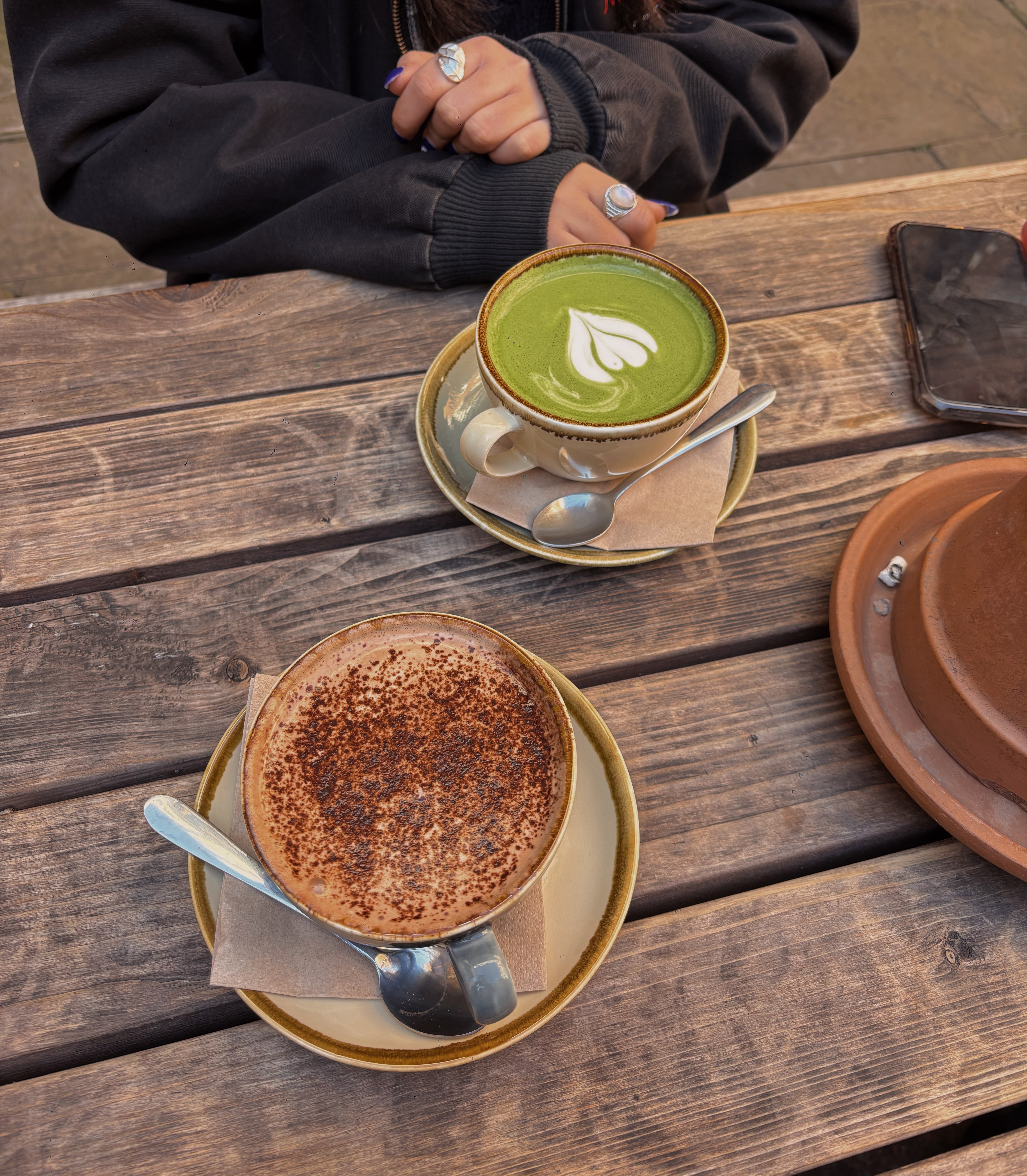
Common slow-morning routines often include simple activities: making coffee or tea without distractions, journaling for a few minutes, stretching, reading, or stepping outside for fresh air. These moments may seem small, but together they create a sense of control and clarity before work or school begins.
Another key part of the trend is reducing screen time early in the day. Many people now avoid checking their phones during the first 30 minutes after waking up. The idea is to prevent the immediate flood of messages, news, and notifications from setting the tone for the day.
Social media has played a role in popularising the slow morning aesthetic. Videos and posts showing calm routines, sunlight through windows, and quiet breakfasts have attracted millions of views. While these moments may appear carefully curated, the underlying idea resonates with many people looking for balance in increasingly busy lives.
Experts often point out that how a day begins can shape mood and productivity. A rushed morning can carry stress into the rest of the day, while a calmer start can make people feel more focused and organised.
The appeal of slow mornings lies in their simplicity. They do not require expensive products or dramatic lifestyle changes. Instead, they encourage something much smaller: taking a few extra moments to begin the day with intention rather than urgency.
In a culture that often celebrates constant productivity, the slow morning trend suggests that sometimes the most effective way to start the day is simply by slowing down.