FASHION | 3 MIN READ
Maison Margiela: The Tabi
March 3, 2026 | 10:00 PM
Few fashion objects manage to remain divisive for decades and still ascend to icon status. The Tabi by Maison Margiela is one of them.
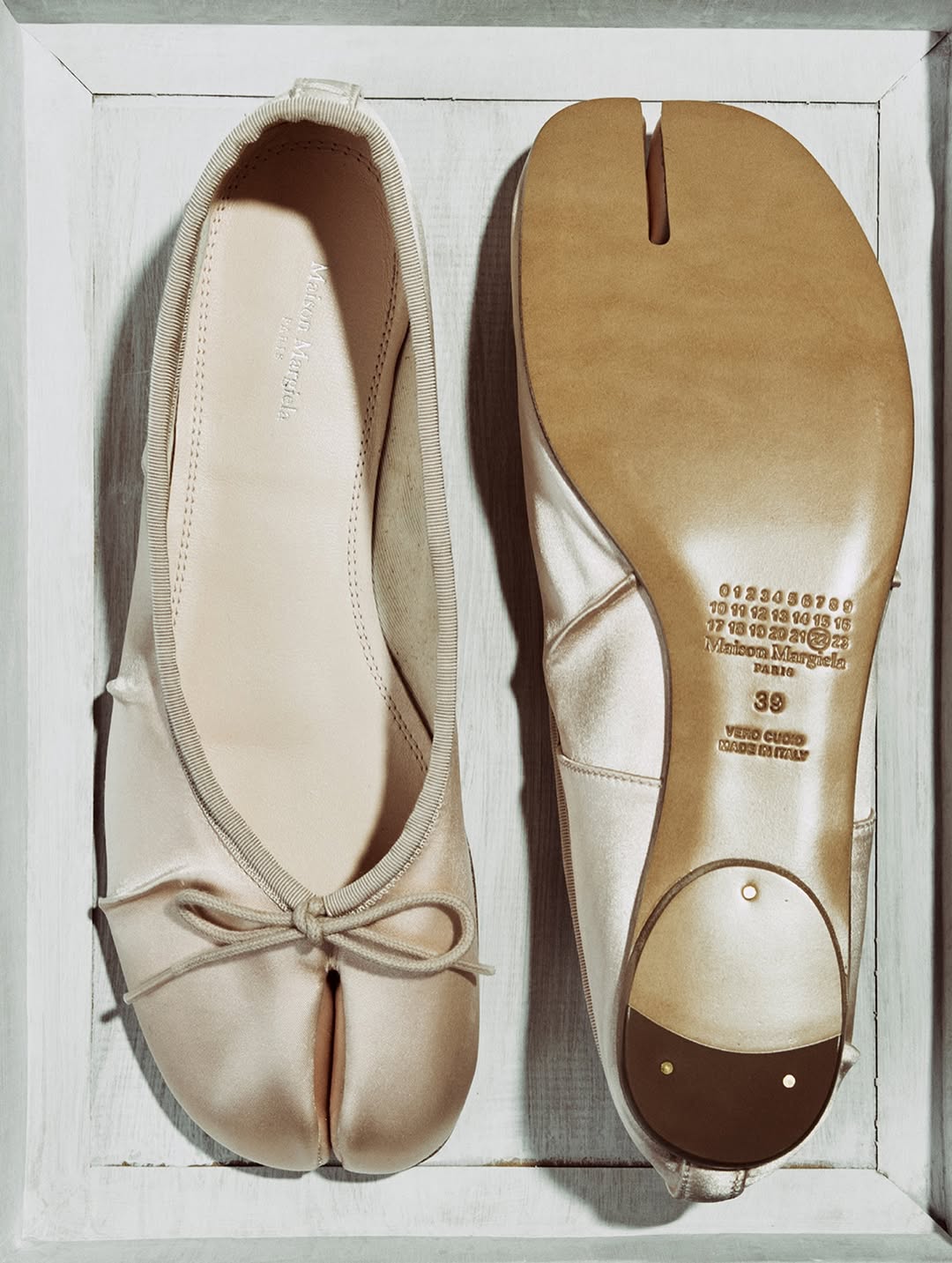
Introduced in 1988 by Martin Margiela, the split-toe silhouette was inspired by the traditional Japanese tabi sock – originally worn with sandals. But Margiela did not merely reinterpret it; he reframed it. He translated a cultural reference into a high-fashion provocation, challenging Western ideas of what a “beautiful” shoe should look like.
At first glance, the Tabi feels almost confrontational. The cleft toe divides opinion instantly. It disrupts symmetry. It refuses neutrality. And yet, that refusal is precisely why it endured.
Phase One: Shock
When the Tabi debuted on the runway, it was not styled to blend in. It was paired with raw hems, deconstructed tailoring and garments that rejected polish. The shoe became part of a larger anti-fashion statement. It was less about selling footwear and more about interrogating aesthetics.
In its early years, the Tabi functioned as intellectual armour. To wear it signalled membership in a fashion subculture – those who understood the codes of deconstruction, anonymity and conceptual design.
Phase Two: Subcultural Symbol
Through the 1990s and early 2000s, the Tabi quietly built a cult following. Stylists, editors and fashion insiders adopted it as shorthand for discernment. It was not mainstream luxury; it was insider language.
Unlike logo-driven accessories, the Tabi did not rely on overt branding. Its silhouette was the logo. Recognition required familiarity. This created exclusivity without traditional marketing.
Phase Three: Digital Resurrection
The Instagram era changed its trajectory.
As fashion moved online, the Tabi’s visual distinctiveness became algorithmically powerful. In a grid of predictable heels and minimalist trainers, the split toe demanded a second glance. It photographed well. It sparked conversation. It generated commentary.
What was once niche became visible.
Under the creative direction of John Galliano, the Tabi was recontextualised – appearing in boots, ballet flats, loafers, and even sneaker iterations. It was no longer a single provocative object but a flexible house code.
Why It Worked
The Tabi’s longevity lies in three factors:
-
Clear Design Identity
The split toe is unmistakable. In branding terms, it is high-recognition with low reliance on text. -
Emotional Reaction
People either love it or dislike it. Indifference is rare. Controversy sustains conversation. -
Cultural Referencing Without Costume
Though inspired by Japanese footwear, the Tabi avoids feeling theatrical. It is wearable. Adaptable. Modern.
The Psychology of the Tabi
To wear the Tabi is to accept visibility. It signals confidence – or at least a willingness to be perceived. Unlike a classic pump or trainer, it cannot disappear into an outfit.
In that sense, it mirrors Margiela’s broader philosophy: exposing construction, revealing seams, challenging norms. The shoe is not decorative. It is conceptual.
Yet today, it exists in an interesting tension. What began as anti-fashion has entered mainstream luxury wardrobes. Influencers style it with tailoring, denim, eveningwear. It is no longer purely intellectual – it is aspirational.
This raises the central question of the case study: can a symbol of rebellion survive popularity?
So far, the answer appears to be yes.
Because the Tabi was never about trend. It was about perspective.
And perspective, unlike trend, does not expire.