Pit Lane
CULTURE
F1 is Back – And the Season has Officially Begun
March 5, 2026 | 8:00 PM
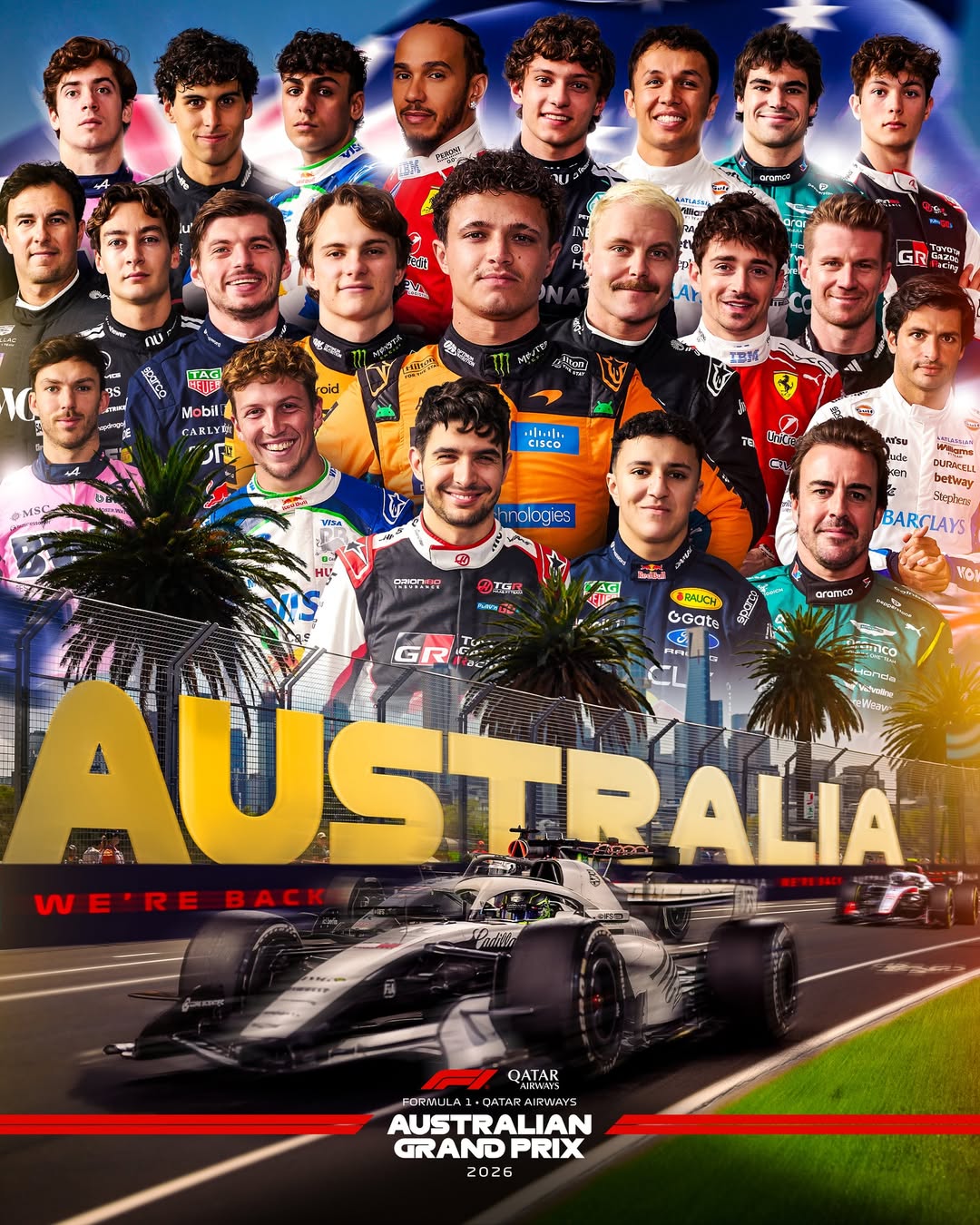
The wait is finally over. After months of speculation, testing, and quiet anticipation, Formula 1 is officially back. The first race weekend has begun, and with it comes the unmistakable feeling that the sport has returned to full speed.
There is something particular about the opening weekend of a Formula 1 season. It carries a sense of possibility that no other race quite replicates. Every team arrives with the same optimism — new upgrades, revised strategies, and hopes that this might be the year everything changes. Fans arrive with similar anticipation, studying every detail from practice laps to paddock appearances.
And as always, the details matter.
Because this year, those details look different.
A new Formula 1 season never arrives quietly, but this one feels particularly charged with change. Teams have spent the off-season navigating adjustments that go beyond simple upgrades. Regulations continue to evolve, forcing engineers to rethink the balance between speed, efficiency, and reliability. Even the smallest technical modification can reshape the competitive order, and the first race weekend is when those months of design finally meet reality.
For the teams, winter development is a careful game of interpretation. The rulebook sets the boundaries, but creativity lives in how those boundaries are explored. Aerodynamics are refined, power units are recalibrated, and entire car philosophies can shift from one season to the next. What worked twelve months ago might suddenly be outdated, forcing teams to rethink their approach entirely.
That is why the opening races always carry a certain suspense.
Testing gives hints, but it rarely reveals the full picture. A car that looked comfortable in pre-season may struggle under race pressure. Another that seemed modest in testing can suddenly come alive when competition begins. Engineers watch timing screens closely, drivers push a little harder with each session, and the paddock begins quietly reassessing expectations.
Beyond the machines themselves, the grid also enters the year with shifting dynamics. Driver line-ups evolve, partnerships between teams and sponsors expand, and rivalries that ended the previous season unresolved return almost immediately. Every season resets the narrative, even for teams that finished strongly the year before.
For the drivers, the start of the season carries its own psychological reset. Months away from racing are replaced by a familiar intensity: early morning briefings, track walks, long hours in simulators, and the physical demand of racing once again at the edge of precision. The opening laps of the year are not just about performance — they are about re-entering the rhythm of competition.
And for fans, the first race weekend restores a particular routine.
Qualifying sessions suddenly matter again. Strategy debates return. Timing screens refresh constantly as supporters try to understand which teams have truly improved over the winter. Every overtake feels significant because it is the first chapter of a story that will unfold across an entire season.
Formula 1 has always thrived on momentum, and the beginning of a new season provides the spark that ignites it. One weekend turns into the next, rivalries sharpen, strategies evolve, and the championship picture slowly begins to take shape.
Right now, though, everything still feels open.
The grid is reset. The possibilities are wide. And the long stretch of quiet between seasons has finally given way to what Formula 1 does best: speed, uncertainty, and the thrill of watching a new story begin.